

AI Engineer | Software Engineer | Financial Accounting
Developing intelligent software solutions with expertise in machine learning, computer vision, and business systems.
Skills & Expertise
Web & Back-End:
HTML,
CSS,
Tailwind,
Bootstrap,
JavaScript,
React,
Redux,
NodeJS,
Express,
MongoDB,
PHP,
MySQL,
Flask.
Cloud & DevOps:
AWS Certified (Cloud Practitioner,
Developer, Solutions Architect, SysOps), DNS, Prompt Engineering.
Programming & Tools:
Python,
NumPy,
Pandas,
Java (Basics),
Excel,
Adobe Photoshop.
Mathematics:
Linear Algebra,
Calculus,
Probability,
Statistics,
Optimization,
Discrete Mathematics.
OS: Linux & Windows.






+
Year of Experience
+
Projects Completed
+
Satisfied Clients
+
Awards Winner
-
2025
Tip Prediction ML Project -
2025
Soma AI -
2025
NASA Space Apps Hackathon -
2025
AI Safety Hackathon -
2024
Data Science Project -
2024
UWC IT Society Hackathon -
2025
Google G20 Hackathon
Designing solutions
customized
to meet your requirements
Web & App Development
Crafting visually appealing and user-friendly interfaces using HTML, CSS, JavaScript, and modern frameworks like React, EJS, Flask and PHP, PWA (MANIFEST.JSON AND ServiceWorker.js)
Database Management
Designing and managing databases with SQL and NoSQL technologies such as MySQL and MongoDB.
API Development
Creating and integrating RESTful APIs to enable smooth communication between front-end and back-end systems.
Performance Optimization
Improving the speed and performance of web applications to provide a better user experience. Work with Nodejs, Express
E-commerce Solutions
Developing scalable and secure payment solutions for e-commerce platforms tailored to your business needs.
Integrating AI
Boost your applications with AI for improved efficiency, automation, and enhanced user experience
Excited to take on new projects and collaborate.
Let's chat about your ideas. Reach out!

+5
years of
passion
for
programming techniques

Sefatsa Guest House
2026
Lyro Tutor Platform
2026
Women in CS (WICS)
2025
DeWet Technologies AI/ML
2022-Present
YES Programme
2025
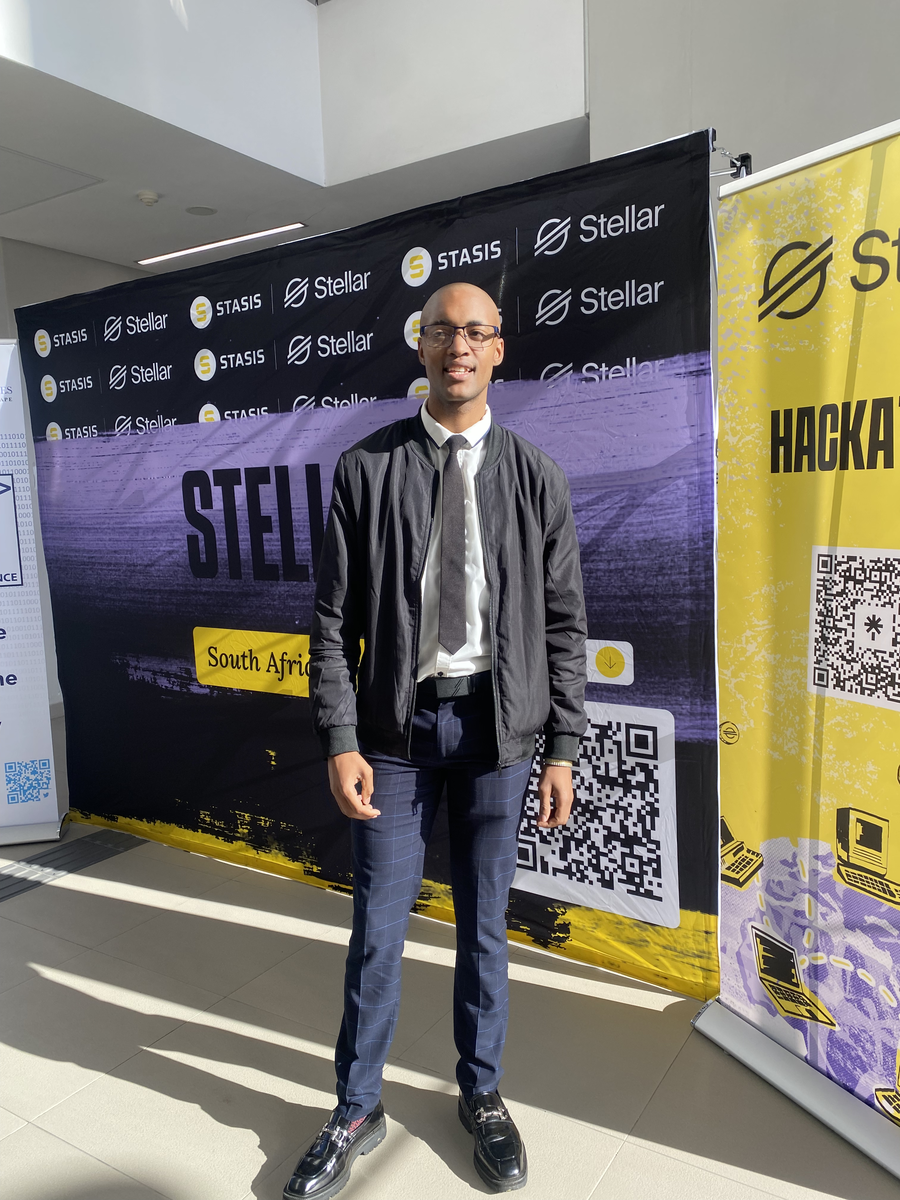
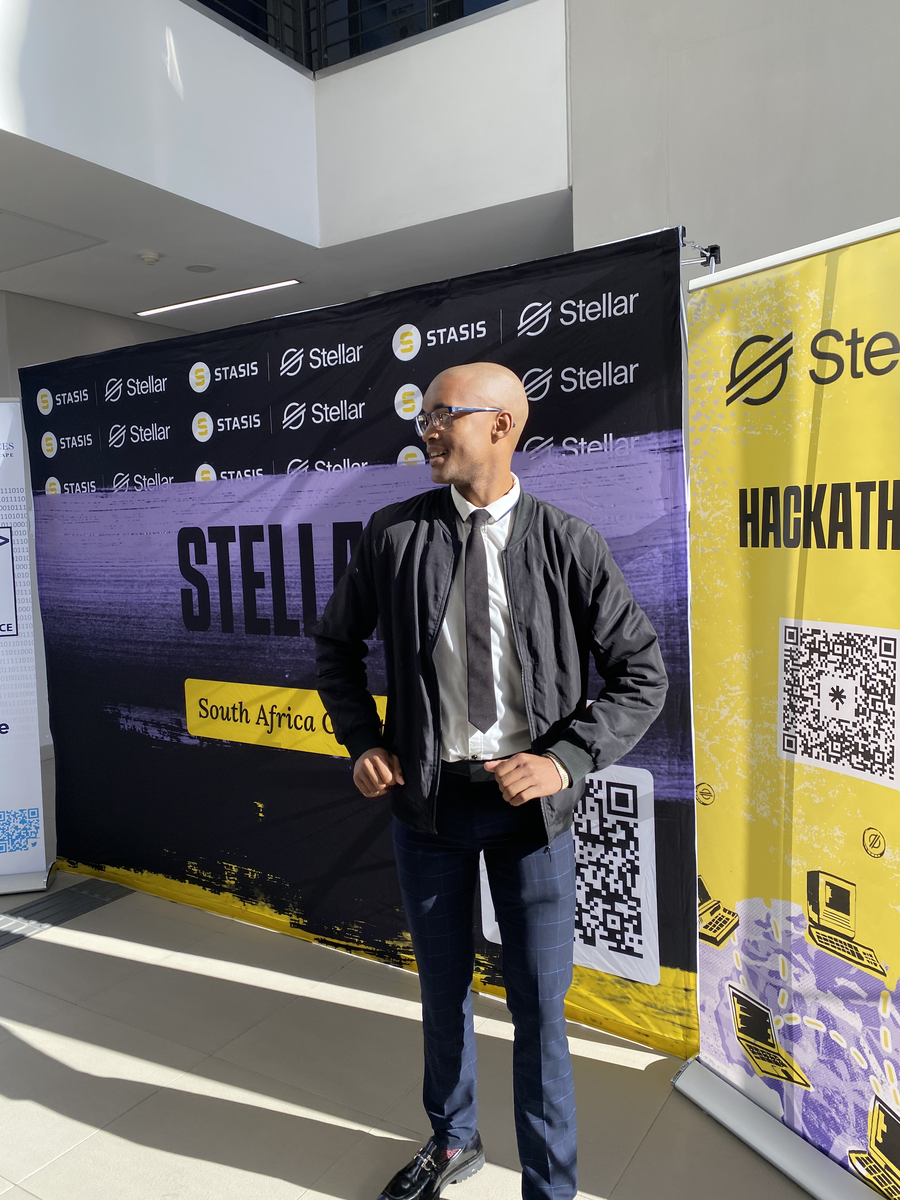
Stellar Ideathon
2025
Telkom Hackathon
2025
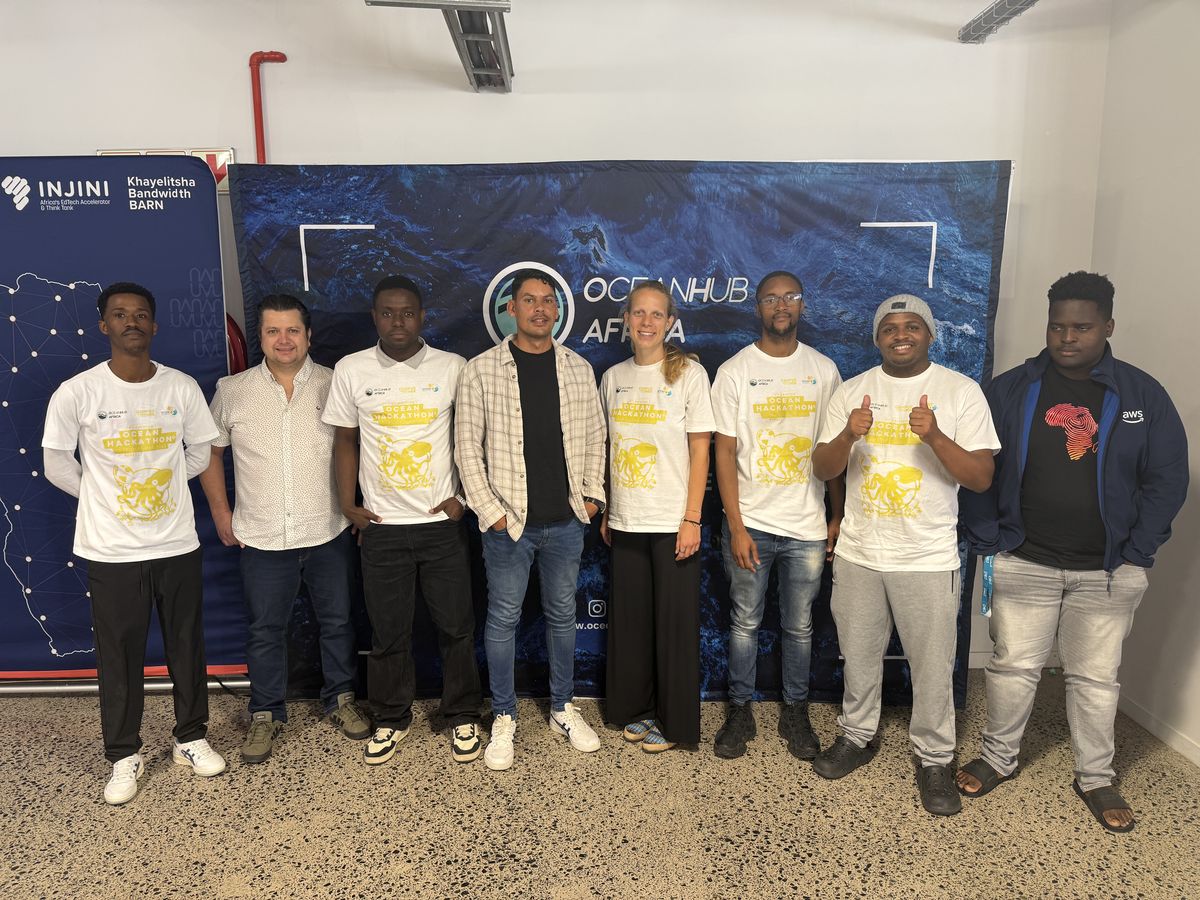
OceanHub Africa
2025
Apart Research
2025
NASA Space Apps
2025
Google G20 Hackathon
2025
SANCATDRA
2021
Mafube Local Municipality
2019-2020Web Developer & Guest Relations Manager
Sefatsa Guest House • 8th April 2026 - 30th June 2026- Prepared invoices and managed communication with booking agencies to coordinate client reservations.
- Maintained direct communication with guests, resolving issues and ensuring smooth arrival and accommodation for late check-ins (up to 12 AM).
- Responsible for shift-based procurement, managing inventory, and purchasing breakfast supplies during morning or late night hours.
- Managed social media channels, ensuring Facebook and TikTok content remained consistent with Sefatsa's visual identity and brand style.
- Revamped the official website to establish a modern layout and developed a dedicated page displaying real-time booking availability.
- Conducted market research and strategic brand awareness campaigns to establish Sefatsa as the premier guest house in town.
Founder & Private Tutor
Lyro Tutor Platform • 2026 - Present- Founded the Lyro Tutor Platform to deliver highly engaging, personalized academic tutoring for students.
- Instruct Grade 10 learners in Mathematics and Mathematical Literacy, building strong baseline problem-solving skills.
- Provide tailored private tutoring programs, creating customized curriculum materials, exercises, and exams aligned with national standards.
- Implement feedback loops to track student progression, enhancing overall comprehension and test scores.
Lyro Tutor Platform
Mathematics and Mathematical Literacy tutoring for Grade 10 learners and private clients.
Project Leader
Women in Computer Science (WICS) • 2025 (1 Year)- Led key community and educational projects aimed at promoting gender diversity and inclusion in technology and computer science.
- Organized, planned, and mentored in various programming workshops, hackathons, and technical bootcamps.
- Collaborated with university and corporate sponsors to secure resources and guest speakers for technical career development panels.
AI/ML & Software Engineer
DeWet Technologies (Pty) Ltd • January 2022 – Present- Built and maintained scalable web applications and business systems, improving performance and deployment workflows.
- Developed a municipality complaint management system.
- Designed responsive UI/UX using React, Tailwind CSS, and JavaScript.
- Integrated backend services using Node.js, Express, PHP, and MySQL.
- Implemented MongoDB-based data models and RESTful APIs.
- Developed Semantic Search and RAG systems using IBM and AWS compute infrastructure.
- Spearheaded the Tlou project (training started in 2026) – training an 800M Parameter model to support the 11 official South African languages.

Tlou Project
Training an 800M Parameter LLM supporting the 11 official South African languages (started in 2026).
Energy Program Attendee
Youth Employment Service (YES) • Cape Town International Convention Centre (CTICC) • 2025
•

- Selected to participate in the national YES (Youth Employment Service) Programme focused on energy sector developments and sustainability.
- Attended professional training, industry seminars, and collaborative workshops hosted at the CTICC (Cape Town International Convention Centre).
- Gained insights into renewable energy systems, conservation, and emerging technologies in the green energy space.
Ideathon Judge
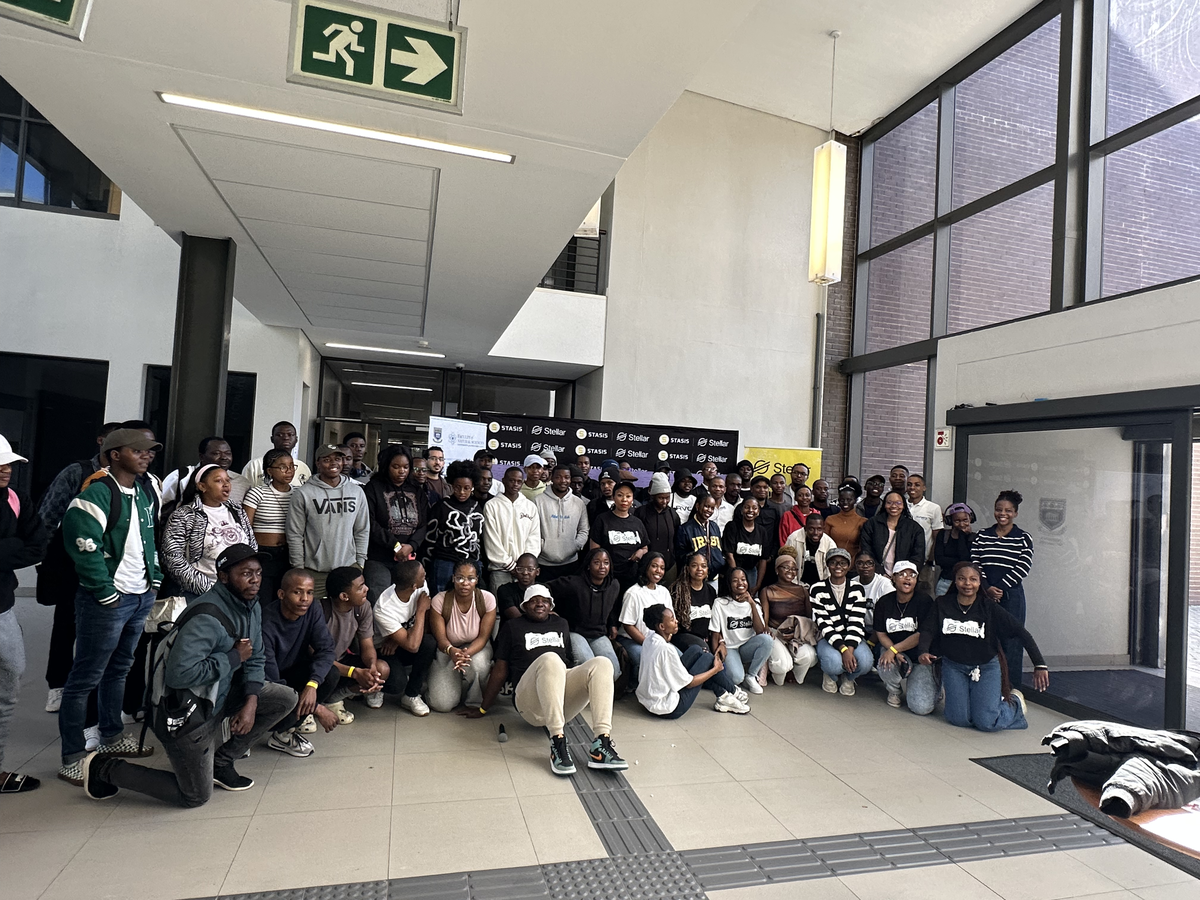
Stellar Blockchain Ideathon • 2025- Served as an official judge evaluating submitted blockchain projects and ideas on the Stellar network.
- Assessed applications on technical execution, innovation, blockchain use-case relevance, usability, and market potential.
- Provided constructive feedback, mentorship, and guidance to developers and entrepreneurs building on Stellar.
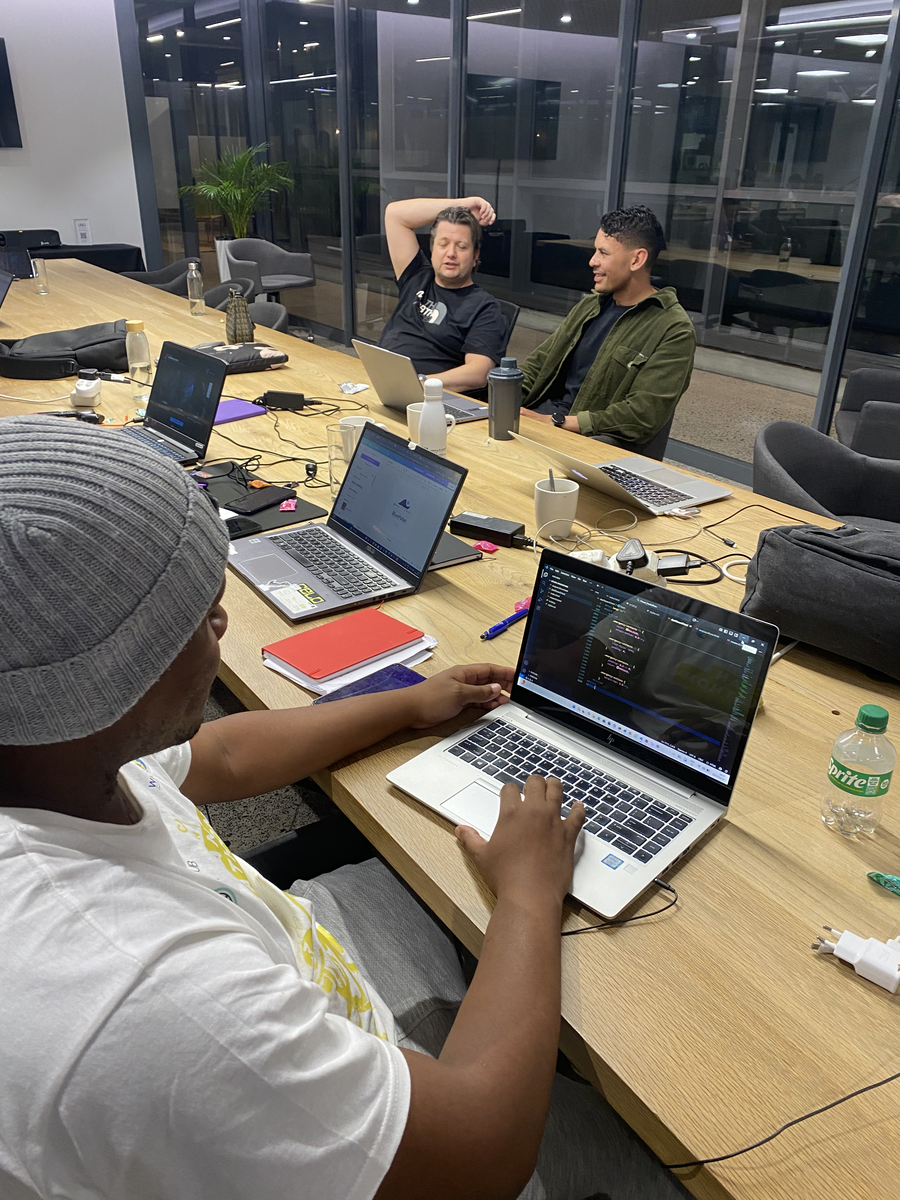
Hackathon Participant
Telkom Hackathon • 2025- Competed in the prestigious Telkom Hackathon, collaborating in a multi-disciplinary team to build innovative software solutions.
- Designed and implemented a rapid prototype to solve real-world connectivity and digital access problems.
- Successfully presented and pitched the prototype and business model to Telkom's leadership panel.
Hackathon Participant
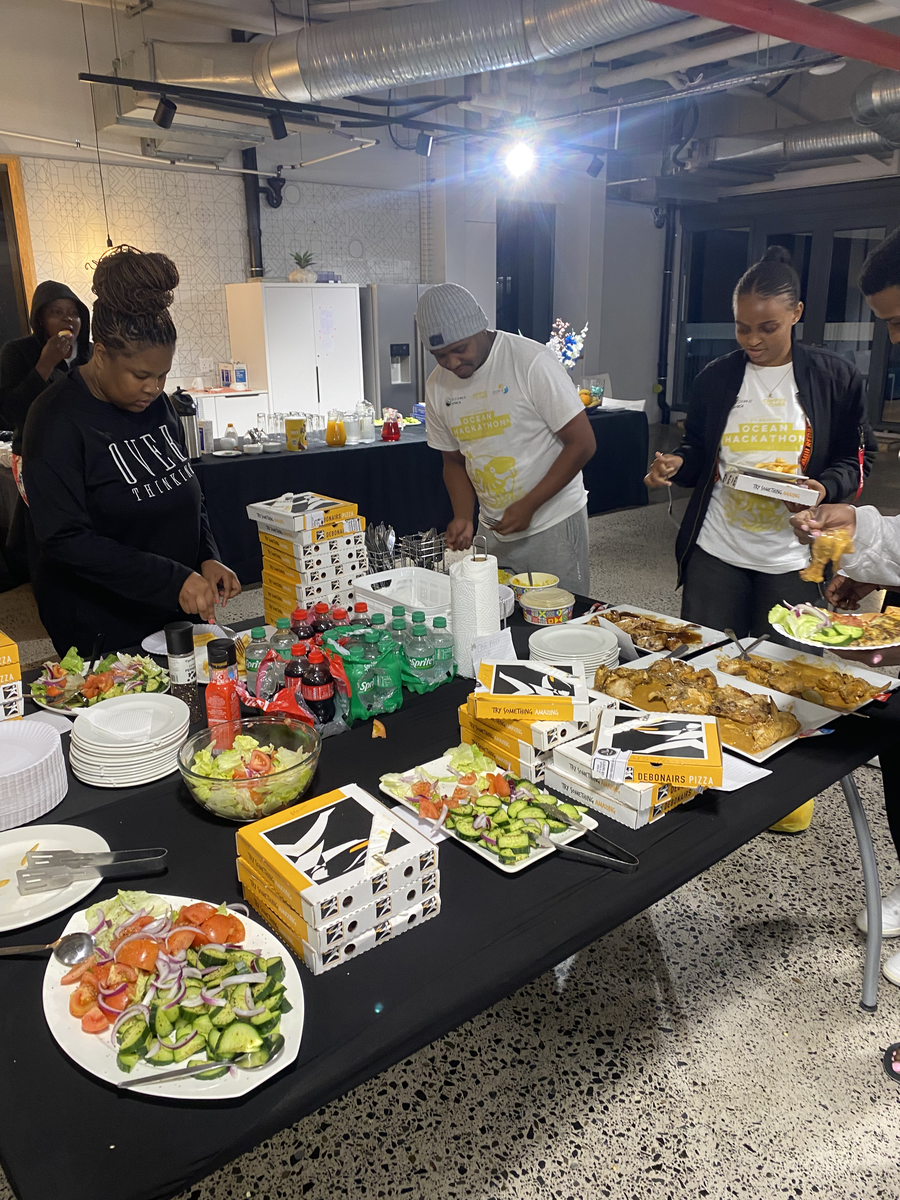
OceanHub Africa • 2025- Participated in the OceanHub Africa hackathon, focusing on technological innovations for ocean conservation and the blue economy.
- Developed and prototyped data-driven digital solutions aimed at tracking ocean health, pollution, or sustainable marine resources.
- Collaborated with environmental experts and developers to create an impactful digital product pitch.
AI Safety Hackathon Participant
Apart Research & AI Safety • 2025- Joined AI Safety research and alignment hackathons hosted by Apart Research to address safety challenges in large language models.
- Researched and built algorithmic methods/benchmarks to analyze LLM alignment, robustness, and output safety.
- Collaborated on writing and submitting research reports and functional tools aimed at mitigations for LLM risks.
Hackathon Participant
NASA Space Apps Hackathon • 2025- Competed in the global NASA Space Apps Hackathon, collaborating in a team to solve real-world challenges using open-source space data.
- Selected the challenge "Exoplanet Explorations and Hunting" to process, visualize, and analyze stellar data for planetary detection.
- Designed and built models to identify potentially habitable exoplanets and highlight candidate systems.
Hackathon Participant
Google G20 Hackathon • 2025- Participated in the Google G20 Hackathon, collaborating in a team to build innovative software solutions.
- Focused on developing Education software designed to enhance digital learning and access.
- Implemented Retrieval-Augmented Generation (RAG) to significantly increase the context awareness, precision, and accuracy of the educational resources.
Computer Technician / Web Developer
SANCATDRA • June 2021 – December 2021- Designed, developed, and maintained websites and web applications.
- Improved site performance and ensured mobile responsiveness.
- Applied SEO best practices and cross-browser compatibility.
- Managed domain transfers, DNS configuration, and hosting migrations.
- Provided IT support and troubleshooting services.
- Captured and edited professional images using Adobe Photoshop.
Computer Technician
Mafube Local Municipality • November 2019 – February 2020- Diagnosed and repaired hardware, software, and network issues.
- Installed and maintained operating systems and security software.
- Provided desktop, laptop, and peripheral support.
- Performed system upgrades, backups, and maintenance.
- Ensured stable network connectivity and resolved router/switch issues.
Education
-
2022 - Pres
 BCom in Financial Accounting
University of the Western Cape
Currently pursuing a Bachelor of Commerce (BCom) degree specializing in Financial Accounting.
-
2025
Fundamentals in Generative AILearned key AI terminologies, inference processes, and AWS cloud infrastructure for deploying generative AI models.
-
2021
UdemyWeb development course with 15 projects
-
2024
IBMPython development in Data-Science
-
2024
AWSSolutions Architect, Cloud Developer, SysOps Administraor
-
2025:
AWS Fundamentals to Machine LearningCertification in Machine Learning Fundamentals
-
2025
FNB App AcademyCertification in Full Stack Development
-
2025
AWS Educate Introduction to Generative AI TrainingIntroduction to Generative AI concepts and applications
Researched
-
2025
Jailbreak Genome Scanner (Apart Research)Automated red-teaming & defense-intelligence platform detecting AI model vulnerabilities before deployment; scales 100x faster than manual testing and fingerprints exploit patterns for ongoing threat protection.
-
2025
Avoiding Gimbal LockResearched methods to avoid Gimbal Lock, though the approach proved inefficient, requiring 18 operations for completion. Additionally, utilized big data tools for advanced analytics and insights.
-
2025
Building a JS security ModuleDeveloped a JavaScript security module to enhance web application security, implementing advanced encryption and authentication protocols.
Modules Covered at the University of the Western Cape
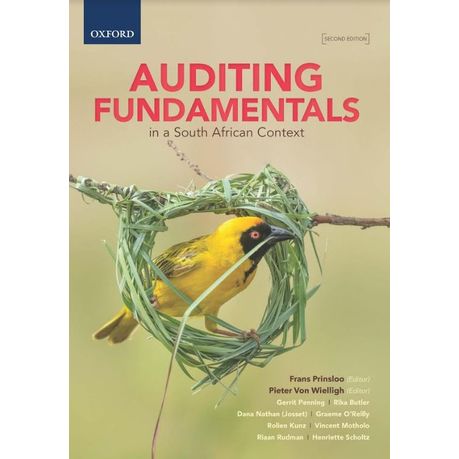
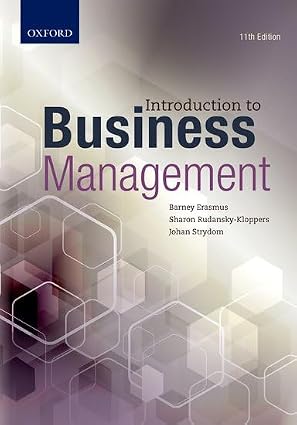
Textbooks & Resources Used





Year 1 Modules
Academic Literacy for Commerce 131/132
Code: ALC131 / ALC132 • Core Module • 15 Credits- Faculty: Economic and Management Sciences
- Department: Academic Development
- Proposed Semester: 1 Semester (First or Second)
- Learning Time: 150 Hours
- Assessment: CA 60% / FA 40% (Continuous & Final Assessment)
Programmes Offered In:
Main Learning Outcomes
- Demonstrate the use of various listening and note-taking strategies.
- Demonstrate an understanding of group dynamics.
- Demonstrate an understanding of analytical and critical thinking.
- Apply critical and analytical reading skills in textbooks, journal articles, newspapers, and magazines.
- Write well-constructed written assignments and academic essays using references and quotations appropriately.
- Summarise main and supporting ideas in written texts.
- Write well-constructed reports and proposals.
- Effectively utilize IT-based productivity tools to organize and manage information.
Main Content
- Listening and note-taking skills
- Group dynamics skills
- Critical thinking skills
- Reading and writing skills
- Referencing and quotation skills
- Digital information literacy skills
Weekly Commitment
- Lectures: 3 per week
- Tutorials: 1 per week
- Practicals: 0 per week
Business Statistics 131/132
Code: BUS131 / BUS132 • Elective Module • 15 Credits- Faculty: Natural Sciences
- Department: Statistics and Population Studies
- Proposed Semester: BUS131 - First Semester / BUS132 - Second Semester
- Learning Time: 150 Hours
- Assessment: CA 60% / FA 40% (Continuous & Final Assessment)
Programmes Offered In:
Main Learning Outcomes
- Recognize the importance of statistics in both private and public sectors.
- Summarize data into summary measures (e.g. mean and standard deviation).
- Do simple statistical analysis.
- Use a computer to analyze data.
Main Content
- Descriptive statistics
- Simple linear regression analysis
- Probability
- Sampling distributions
- Inferential Statistics
- Index numbers
- Time Series
- Anova
- Chi-square
Weekly Commitment
- Lectures: 3 per week
- Tutorials: 1 per week
- Practicals: 0 per week
Macroeconomics 152
Code: ECO152 • Core Module • 10 Credits- Faculty: Economic and Management Sciences
- Department: Economics
- Proposed Semester: First Semester
- Learning Time: 100 Hours
- Assessment: CA 50% / FA 50% (Continuous & Final Assessment)
Programmes Offered In:
Main Learning Outcomes
- Demonstrate an understanding of how the various sectors of the economy interrelate using basic macroeconomic tools and theories.
Main Content
- The macroeconomic problem
- Circular flow of income
- National income accounting
- Basic aggregate demand and supply model
- Unemployment
- Money and banking
- Interest rates
- Inflation
- Exchange rates and the Balance of Payments accounts
- Fiscal and monetary policy
Weekly Commitment
- Lectures: 3 per week
- Tutorials: 1 per week
- Practicals: 0 per week
Financial Accounting 141/143
Code: FIA141 / FIA143 • Core Module • 15 Credits- Faculty: Economic and Management Sciences
- Department: Accounting
- Proposed Semester: FIA141 - First Semester / FIA143 - Second Semester
- Learning Time: 150 Hours
- Assessment: CA 50% / FA 50% (Continuous & Final Assessment)
Programmes Offered In:
Main Learning Outcomes
- Define and apply the accounting concepts relating to the elements of the accounting equation.
- Record transactions using the double entry system.
- Distinguish between cash and accrual accounting.
- Apply accrual accounting and other adjustments to the pre-adjustment trial balance.
- Distinguish between two methods of recording inventory and be able to apply both.
- Prepare various control accounts and their reconciliation.
- Prepare the financial statements of a service and trading business.
- Analyse and do a basic interpretation of the financial statements of a sole proprietor.
Main Content
- Accounting as information system
- Data processing and double-entry bookkeeping
- Accounting for Value Added Tax.
- Operation of cash controls
- Bank reconciliation procedures
- Preparation of the financial statements (excluding statement of cash flows) of a sole trader
- Elementary analysis and interpretation of the financial statements of a sole trader
Weekly Commitment
- Lectures: 3 per week
- Tutorials: 1 per week
- Practicals: 0 per week
Financial Accounting 142
Code: FIA142 • Core / Elective Module • 10 Credits- Faculty: Economic and Management Sciences
- Department: Accounting
- Proposed Semester: Second Semester
- Learning Time: 100 Hours
- Assessment: CA 50% / FA 50% (Continuous & Final Assessment)
Programmes Offered In:
Main Learning Outcomes
- Apply the conceptual framework to the preparation of financial statements of different entities.
- Prepare the statement of cash flows on either the direct or indirect method.
- Apply the statement of cash flows in the analysis of performance and financial position of an entity.
- Analyse and interpret financial statements.
Main Content
- Record transactions manually in subsidiary journals and ledgers and do relevant controls
- Recognition, measurement and classification of elements of the financial statements
- Financial Statements (Including statement of cash flows) of close corporations, companies, and non-profit organisations
- Analysis and Interpretation of financial statements
Weekly Commitment
- Lectures: 3 per week
- Tutorials: 1 per week
- Practicals: 0 per week
Mathematics 126/127
Code: MAM126 / MAM127 • Core Module • 10 Credits- Faculty: Natural Sciences
- Department: Mathematics and Applied Mathematics
- Proposed Semester: MAM126 - First Semester / MAM127 - Second Semester
- Learning Time: 100 Hours
- Assessment: CA 100% (Continuous Assessment)
Programmes Offered In:
Main Learning Outcomes
- Mathematical and computational skills useful in the Economics and Management environment.
- Skills to read mathematical text in Economics.
- Skills to write mathematical text in Economics.
- Skills to interpret correctly literature pertaining to Managerial Sciences that require knowledge of mathematics.
Main Content
- Mathematics of Finance: Simple & Compound interest, Depreciation, Sinking funds
- Introduction to Differential Calculus: limits, graphs, rules of differentiation
- Applications of Differentiation: maxima/minima, commercial optimization applications
- Introduction to Integral Calculus: definite/indefinite integral, consumers' and suppliers' surplus
Weekly Commitment
- Lectures: 3 per week
- Tutorials: 1 per week
- Practicals: 0 per week
Principles of Business Management 131/132
Code: MAN131 / MAN132 • Core / Elective Module • 15 Credits- Faculty: Economic and Management Sciences
- Department: Management and Entrepreneurship
- Proposed Semester: MAN131 - First Semester / MAN132 - Second Semester
- Learning Time: 150 Hours
- Assessment: CA 60% / FA 40% (Continuous & Final Assessment)
Programmes Offered In:
Main Learning Outcomes
- Explain the broader context within which businesses operate in South Africa.
- Identify and illustrate the different types, processes and functional areas of businesses in South Africa.
- Explain and interpret the factors that influence business functions in both internal and external environments.
- Describe and elaborate on the broader context of business success and management principles.
- Apply business research methods, management decision-making and problem-solving techniques.
- Develop raised awareness of technology in business operations (4IR).
- Articulate module content orally and conduct research.
- Plan and work effectively with others in teams.
Main Content
- Overview of the business enterprise as a system
- Historical development of the field of Management
- External and internal business environment
- Entrepreneurship & establishing a business
- Managing functional areas: marketing, HRM, operations, finance
- Functions of management: planning, organising, leading, controlling
- Corporate Social Responsibility
Weekly Commitment
- Lectures: 4 per week
- Tutorials: 1 per week
- Practicals: 0 per week
Mercantile Law 102
Code: MER102 • Core Module • 15 Credits- Faculty: Law
- Department: Mercantile and Labour Law
- Proposed Semester: Second Semester
- Learning Time: 150 Hours
- Assessment: CA 50% / FA 50% (Continuous & Final Assessment)
Programmes Offered In:
Main Learning Outcomes
- An understanding of the basic structure of our legal system.
- An understanding and application of the general principles of contract.
- An understanding and application of the consequences and remedies for breach of contract.
- Be familiar with the rights and duties of parties to common commercial contracts.
- Be aware of basic concepts of property and security law.
Main Content
- Introduction to the SA legal system
- General requirements for a valid contract
- Breach of contract and its remedies
- Specific commercial contracts
- Cession, property law, and security law
Weekly Commitment
- Lectures: 4 per week
- Tutorials: 0 per week
- Practicals: 0 per week
Quantitative Skills for Commerce 131/132
Code: QSC131 / QSC132 • Core Module • 15 Credits- Faculty: Natural Sciences
- Department: Mathematics and Applied Mathematics
- Proposed Semester: QSC131 - First Semester / QSC132 - Second Semester
- Learning Time: 150 Hours
- Assessment: CA 100% (Continuous Assessment)
Programmes Offered In:
Main Learning Outcomes
- Solve problems with Commercial applications involving ratios, rates, and simple proportion.
- Discounts and markdowns, breakeven analysis.
- Time value of money.
- Straight-line and parabolic graphs with reference to revenue/cost/profit and supply/demand.
- Exponential and logarithmic curves.
- Draw and interpret statistical charts and calculate mean, median, and mode.
Main Content
- Ratio and proportions, rates, approximations
- Pricing a product, profits, breakeven analysis
- Simple interest, compound interest, annuities
- Straight line graphs and parabolas with link to finance and economics
- Exponential and logarithmic equations and graphs
- Descriptive statistics and measures of central tendency
Weekly Commitment
- Lectures: 3 per week
- Tutorials: 1 per week
- Practicals: 0 per week
Year 2 Modules
Internal Auditing 241
Code: AUD241 • Core Module • 10 Credits- Faculty: Economic and Management Sciences
- Department: Accounting
- Proposed Semester: First Semester
- Learning Time: 100 Hours
- Assessment: CA 50% / FA 50% (Continuous & Final Assessment)
Programmes Offered In:
Main Learning Outcomes
- Explain basic theory relating to the role of the internal auditing function.
- Explain types of internal audit.
- Explain the IIA standards and apply them to scenario-type questions.
- Explain the performance objectives of organisations.
- Explain concepts relating to risk assessment, and perform basic risk assessments.
- Explain control frameworks, with emphasis on control techniques.
- Explain how audit evidence can be collected and assessed.
- Explain the flow of the internal audit process.
Main Content
- Chapter 1: Introduction & The Case of Siyafunda (Structure of a typical organisation)
- Chapter 2: History of Auditing/Internal Auditing, The Institute of Internal Auditors (IIA & IIA SA), Legislation and codes, Definition of internal auditing, IPPF Framework (Mission, Core Principles, Code of Ethics, Attribute & Performance Standards, Guidance), Role of internal auditing in the business environment
- Chapter 3: Global Internal Auditor Competency Framework, Certified Internal Auditor (CIA) programme & professional career path in SA, Ethics of the internal auditor (IPPF Code of Ethics, Principles, Rules of conduct), Attribute standards
- Chapter 4: Public vs Private sector organisations, Internal auditors and the Board of Directors / Audit Committee, Relationship with Management and engagement client staff, Other assurance providers (External Auditor coordination, reliance, and comparison)
Weekly Commitment
- Lectures: 3 per week
- Tutorials: 1 per week
- Practicals: 0 per week
Internal Auditing 242
Code: AUD242 • Core Module • 10 Credits- Faculty: Economic and Management Sciences
- Department: Accounting
- Proposed Semester: Second Semester
- Learning Time: 100 Hours
- Assessment: CA 50% / FA 50% (Continuous & Final Assessment)
Programmes Offered In:
Main Learning Outcomes
- Explain the flow of the internal audit process.
- Explain basic theory relating to control and performance evaluation.
- Explain basic theory relating to audit engagement tools, statistics and sampling.
- Explain the steps to be followed during the planning phase of the internal audit engagement.
- Explain the steps to be followed when drafting an audit report, including follow-ups.
- Apply the above theory to scenario-type questions.
- Explain sound corporate governance practices.
- Explain the interaction between accounting, internal audit, and external auditors.
- Explain duties regarding regulatory and legal compliance.
Main Content
- Chapter 5: Governance-Risk-Control professional guidance, Importance & objectives of internal control, The COSO Framework (Control environment, Risk assessment, Control activities, Information/communication, Monitoring), Responsibilities for internal control, Controls in an IT environment (General & Application controls)
- Chapter 6: Understanding the business environment (Organisational/engagement objectives and risk), The Internal Audit Process (Planning: Client understanding, preliminary survey, operational risks, criteria/scope, resource allocation, audit work programmes; Performing/Fieldwork: Evidence, procedures, analysis/evaluation, documentation, supervision), Types of audit engagements (Compliance, Financial, Operational)
- Chapter 7: Working papers (Types, characteristics, custody), Walk-through tests, Interviews and enquiries, Internal Control Questionnaires (ICQs), System descriptions, Flowchart techniques, Control matrix, Analytical procedures, Computer audit techniques (CAATs - auditing around/with/through the computer), Audit Sampling
Weekly Commitment
- Lectures: 3 per week
- Tutorials: 0 per week
- Practicals: 0 per week
Business Ethics 242
Code: BET242 • Core Module • 10 Credits- Faculty: Economic and Management Sciences
- Department: Accounting
- Proposed Semester: Second Semester
- Learning Time: 100 Hours
- Assessment: CA 60% / FA 40% (Continuous & Final Assessment)
Programmes Offered In:
Main Learning Outcomes
- Explain the purpose of this module and the ethics teaching arguments.
- Explain arguments for and against ethics in the business environment.
- Explain core elements of value systems (African, Judaism & Christianity, Islam).
- Explain ethical absolutism and relativism, and criticise extreme relativism.
- Explain and apply Virtue ethics, Rule morality (Kant), and Utilitarianism (Bentham, Mill).
- Explain a process for ethical decision-making.
- Explain Adam Smith's free market arguments and Marx's critique.
- Explain economic justice, corporate social responsibility, and corporate governance.
- Explain ethics management steps and problems.
- Explain three theories about the nature of the organisation.
Main Content
- Some value systems
- Some important ethical theories
- The free market system and the Marxist critique
- The moral obligations of the corporation & CSR
- Corporate governance
- Ethics management
- Theories about the nature of the organization
Weekly Commitment
- Lectures: 2 per week
- Tutorials: 0 per week
- Practicals: 0 per week
Company Law 211
Code: CPL211 • Core Module • 10 Credits- Faculty: Law
- Department: Mercantile and Labour Law
- Proposed Semester: First Semester
- Learning Time: 100 Hours
- Assessment: CA 50% / FA 50% (Continuous & Final Assessment)
Programmes Offered In:
Main Learning Outcomes
- Fundamental rules, principles and concepts of South African Company Law.
- Procedure and requirements for the formation of companies/close corporations.
- Management and administration of companies, meetings, and auditor functions.
Main Content
- Company law and close corporation regulations
- Capita selecta from advanced company law
Weekly Commitment
- Lectures: 3 per week
- Tutorials: 4 per week
- Practicals: 0 per week
Financial Accounting 242
Code: FIA242 • Core / Elective Module • 20 Credits- Faculty: Economic and Management Sciences
- Department: Accounting
- Proposed Semester: Second Semester
- Learning Time: 200 Hours
- Assessment: CA 50% / FA 50% (Continuous & Final Assessment)
Programmes Offered In:
Main Learning Outcomes
- Prepare and present company annual financial statements and disclosure notes.
- Calculate changes in accounting policies, estimates and prior period errors.
- Prepare basic business combinations.
- Undertake financial analysis and interpretation of financial statements.
- Assess business and financial risk.
Main Content
- IFRS recognition, measurement and disclosure (EPS, cash flows, errors, policies)
- Financial structure and financial instruments
- Financial analysis and decision making
- Basic business combinations and borrowing costs
- Risk reporting and management statement reports
Weekly Commitment
- Lectures: 3 per week
- Tutorials: 1 per week
- Practicals: 0.5 per week
Management Accounting 241
Code: MAC241 • Core Module • 10 Credits- Faculty: Economic and Management Sciences
- Department: Accounting
- Proposed Semester: First Semester
- Learning Time: 100 Hours
- Assessment: CA 50% / FA 50% (Continuous & Final Assessment)
Programmes Offered In:
Main Learning Outcomes
- Explain concepts and cost accumulation systems for product costing or services.
- Prepare cost statements (job order, process, joint/by-product, activity-based costing).
- Analyse and interpret Cost-Volume-Profit relationships.
- Prepare statements of comprehensive income under variable and absorption costing.
- Discuss budget development process, compile budgets, and apply decision-making techniques.
Main Content
- Chapter 1: The context of costing (Management vs Financial Accounting, CIMA, Cost determination/recording/analysis/management/reporting)
- Chapter 2: Cost classification and terminology (Cost objects, Variable, Fixed, Step and Mixed costs)
- Chapter 3: Elements of cost (Material cost: acquisition, storage, valuation, JIT; Labour: productivity, methods of remuneration, wage incentives, learning curves; Manufacturing Overheads: classification, linear function, High-Low method, regression; Marketing costs)
- Chapter 4: Cost-Volume-Profit (CVP) analysis (Marginal income approach, break-even point, margin of safety, graphs, algebraic method)
- Chapter 5: Relevant information for short-term decision making (Differential, Opportunity, Relevant, Sunk costs; special orders, outsourcing, joint products, Factory shutdown, limiting factors, payoff tables/decision trees)
- Chapter 6: The flow of cost information (Manufacturing process, cost flows, inventory accounts, income statements)
Weekly Commitment
- Lectures: 3 per week
- Tutorials: 1 per week
- Practicals: 0 per week
Mercantile Law 221
Code: MCR221 • Core Module • 10 Credits- Faculty: Law
- Department: Mercantile Law
- Proposed Semester: First Semester
- Learning Time: 100 Hours
- Assessment: CA 50% / FA 50% (Continuous & Final Assessment)
Programmes Offered In:
Main Learning Outcomes
- Understand principles and rules regulating Law of Insolvency and Negotiable Instruments.
- Understand how these principles operate in practice.
Main Content
- The Law of Insolvency (surrender, sequestration, insolvent estate, rehabilitation)
- The Law of Negotiable Instruments (cheque law, electronic payments & transactions)
Weekly Commitment
- Lectures: 3 per week
- Tutorials: 0 per week
- Practicals: 0 per week
Taxation 242
Code: TAX242 • Core Module • 10 Credits- Faculty: Economic and Management Sciences
- Department: Accounting
- Proposed Semester: Second Semester
- Learning Time: 100 Hours
- Assessment: CA 50% / FA 50% (Continuous & Final Assessment)
Programmes Offered In:
Main Learning Outcomes
- Define and identify the components of the taxable income framework.
- Identify information required to calculate individual taxable income and complete returns.
- Identify and use relevant information to complete a VAT return.
Main Content
- Gross Income: definition and inclusions
- General deductions: definitions, fringe benefits, CGT basic principles
- Basic principles of VAT
Weekly Commitment
- Lectures: 2 per week
- Tutorials: 1 per week
- Practicals: 0 per week
Year 3 Modules
Management Accounting 341
Code: MAC341 • Core Module • 15 Credits- Faculty: Economic and Management Sciences
- Department: Accounting
- Proposed Semester: First Semester
- Learning Time: 150 Hours
- Assessment: CA 50% / FA 50% (Continuous & Final Assessment)
Programmes Offered In:
Main Learning Outcomes
- Apply costing concepts in the design, implementation and operation of costing systems.
- Apply appropriate indicators to measure and evaluate management performance.
Main Content
- Chapter 7: Manufacturing overhead calculation and allocation (Budgeted/Applied/Actual overheads, over/underapplied overheads, primary/secondary allocation, repeated allocation method)
- Chapter 8: Variable and absorption costing (Inventory valuation, Statement of Profit/Loss comparison, Reconciliation of costing profits)
- Chapter 9: Activity-based costing - ABC (System design, Identifying activities/cost drivers, cost pool creation, tracing activity costs)
- Chapter 10: Job costing systems (Job description, cost determination, inventory ledgers, spoilt units/wastage, scrap, contract costing)
- Chapter 11: Process costing (Departmental and unit costs, equivalent complete units, weighted average vs FIFO methods for wastage, process cost reports)
- Chapter 12: Joint and by-products (Common/additional processing costs, costing methods for joint and by-products)
- Chapter 13: Budgets (Budget control, functions & preparation of budgets, Zero-Based Budgeting, responsibility accounting, flexible budgeting, Activity-Based Budgeting)
- Chapter 14: Standard costing (Material, labour & overhead standards and variances; recording standard costs; sales variances; reconciliations)
- Chapter 15: Performance evaluation (Responsibility centres, decentralisation, return on investment, residual income, Balanced Scorecard, public sector performance)
Weekly Commitment
- Lectures: 3 per week
- Tutorials: 1 per week
- Practicals: 0 per week
Featured Websites
Sefatsa Guest House
Online property booking portal and room availability calendar system designed for Sefatsa Guest House.
Visit Website →Avondson
Corporate consulting and advisory layouts demonstrating clean, semantic user interactions.
Visit Website →Lourenza Lodge
Revamped online reservation portal and room gallery system developed for Lourenza Lodge.
Visit Website →Krummel en Kors
Artisanal bakery e-commerce platform featuring online ordering, product cataloguing, and custom order requests.
Visit Website →Recent Works
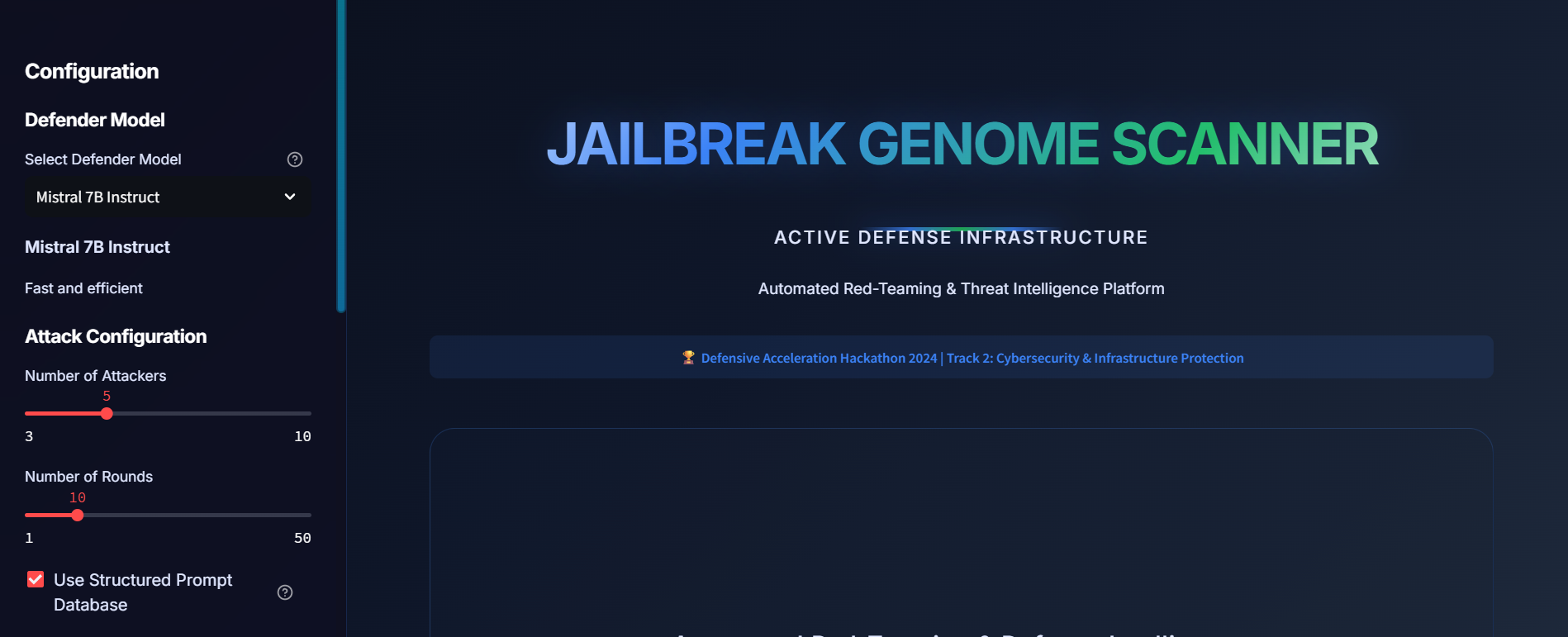
JAILBREAK GENOME SCANNER
JAILBREAK GENOME SCANNER ACTIVE DEFENSE INFRASTRUCTURE Automated Red-Teaming & Threat...
- Completion: 2025-11-23
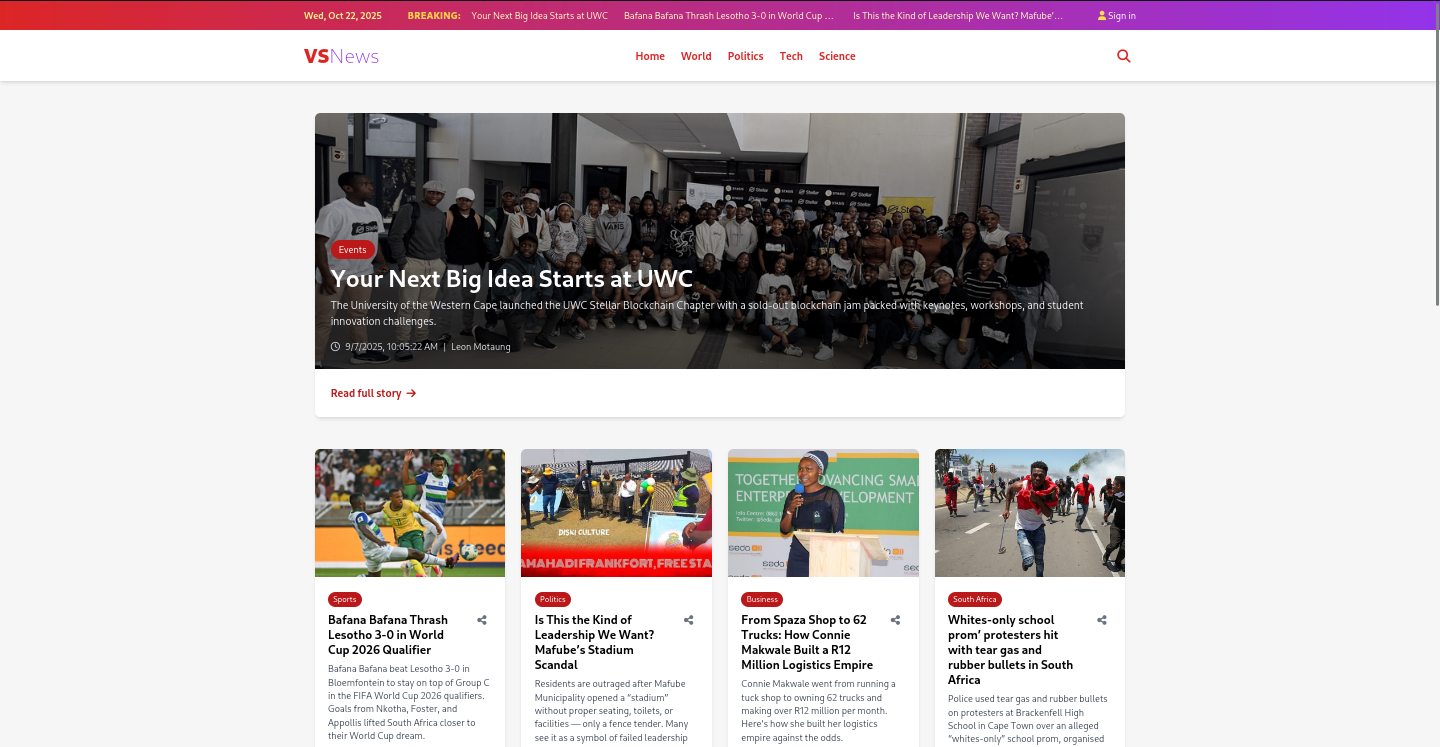
Viral Surge News
Viral Surge News is a modern, fast, and visually engaging news platform designed to capture and...
- Completion: 2025-08-22

Mental Health Xcellerators
Mental Health Xcellerators is a student-centered hackathon designed to inspire innovative...
- Completion: 2024-10-23
Moments & Milestones




My Expertise
 NodeJS
 EJS
EJS Bootstrap
 Vite
Vite Firebase
 MongoDB
 React
React Express
 VueJS
VueJS CSS
CSS JavaScript
 Excel
Excel Tailwind
 MySQL
MySQL
-
Front-End:
HTML, CSS, JavaScript, React, EJS -
Back-End:
Node.js, Express, Python -
Databases:
MySQL, MongoDB, Vector DB Pinecone -
Tools & Platforms:
AWS -
Machine Learning & AI:
Supervised Learning, Unsupervised Learning, Deep Learning, Neural Networks, Retrieval-Augmented Generation (RAG), Supervised Fine-Tuning -
Others:
RESTful APIs